Engineering Thermoplastics
Why Color Matters in Engineering Thermoplastics
 AI-generated image
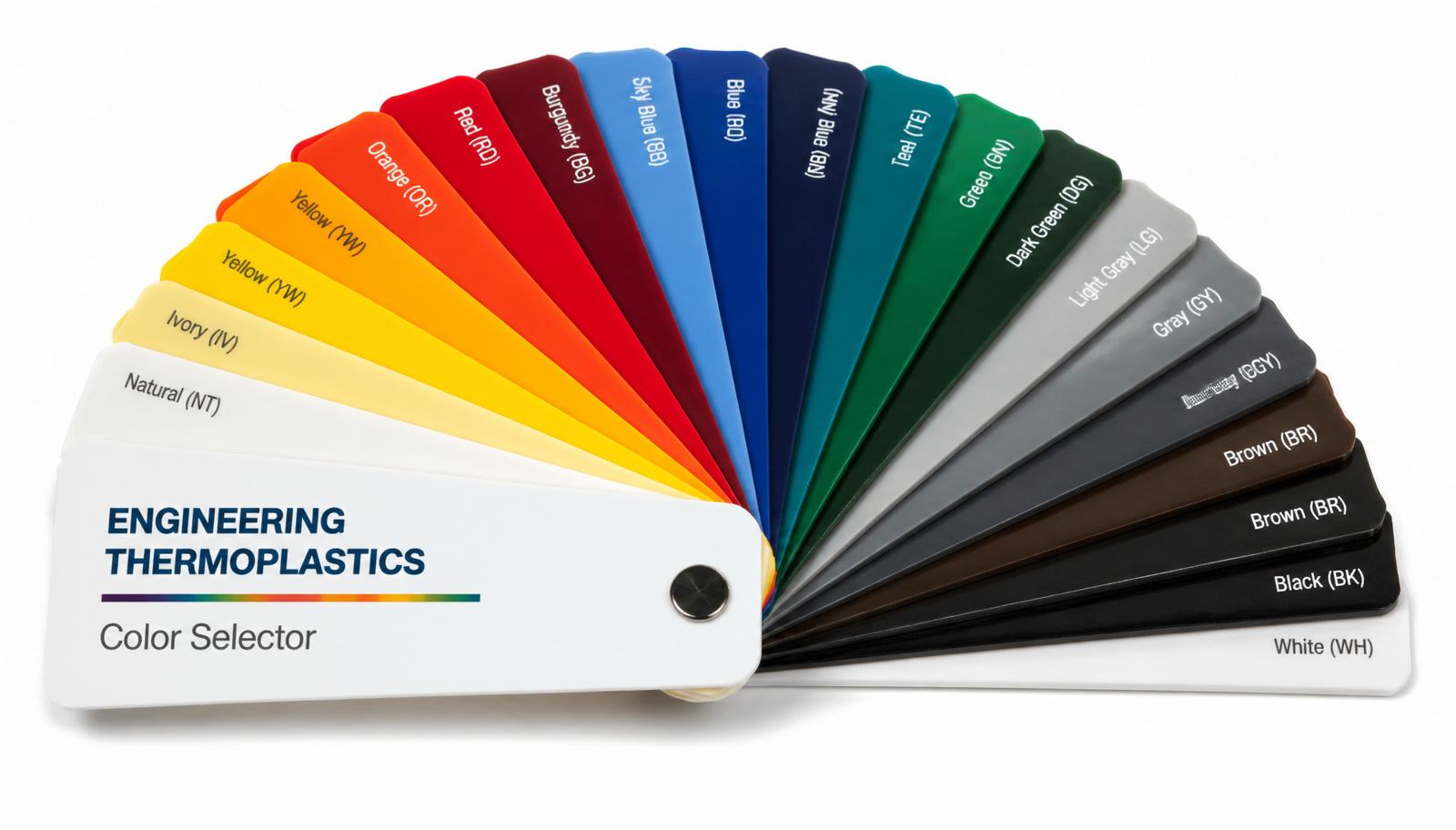
Color in engineering thermoplastics is not only an aesthetic choice. It can improve product identification, simplify manufacturing, support safety and strengthen brand recognition.
More Than Aesthetics: Color as a Functional Design Element
When selecting engineering thermoplastics, engineers typically focus on mechanical strength, chemical resistance, dimensional stability, heat resistance or flame-retardant performance.
These properties are essential. However, another parameter often plays a much greater role than expected: color.
In modern product development, color is no longer only about appearance. It can improve safety, simplify assembly, support product identification, strengthen brand identity and, in some applications, help reduce manufacturing costs.
A well-selected color solution should therefore be treated as part of the product design process rather than as a final decorative decision.
Color Helps People Make Faster Decisions
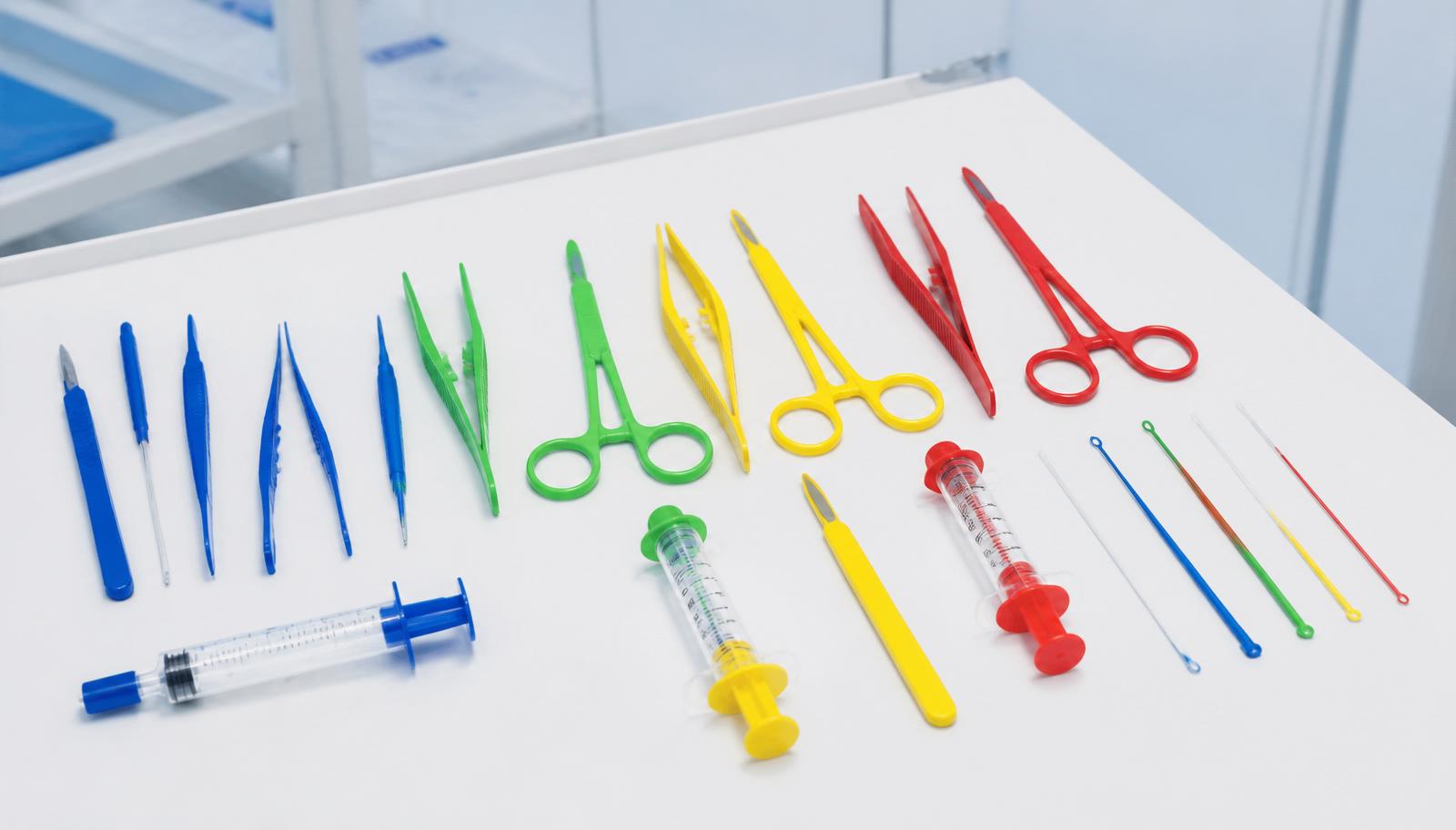
Many products are designed to be recognized instantly. Instead of reading labels, symbols or part numbers, users often identify components by their color. This can be especially valuable in environments where decisions need to be made quickly and accurately.
Examples include:
- medical instruments differentiated by color according to size, type or application,
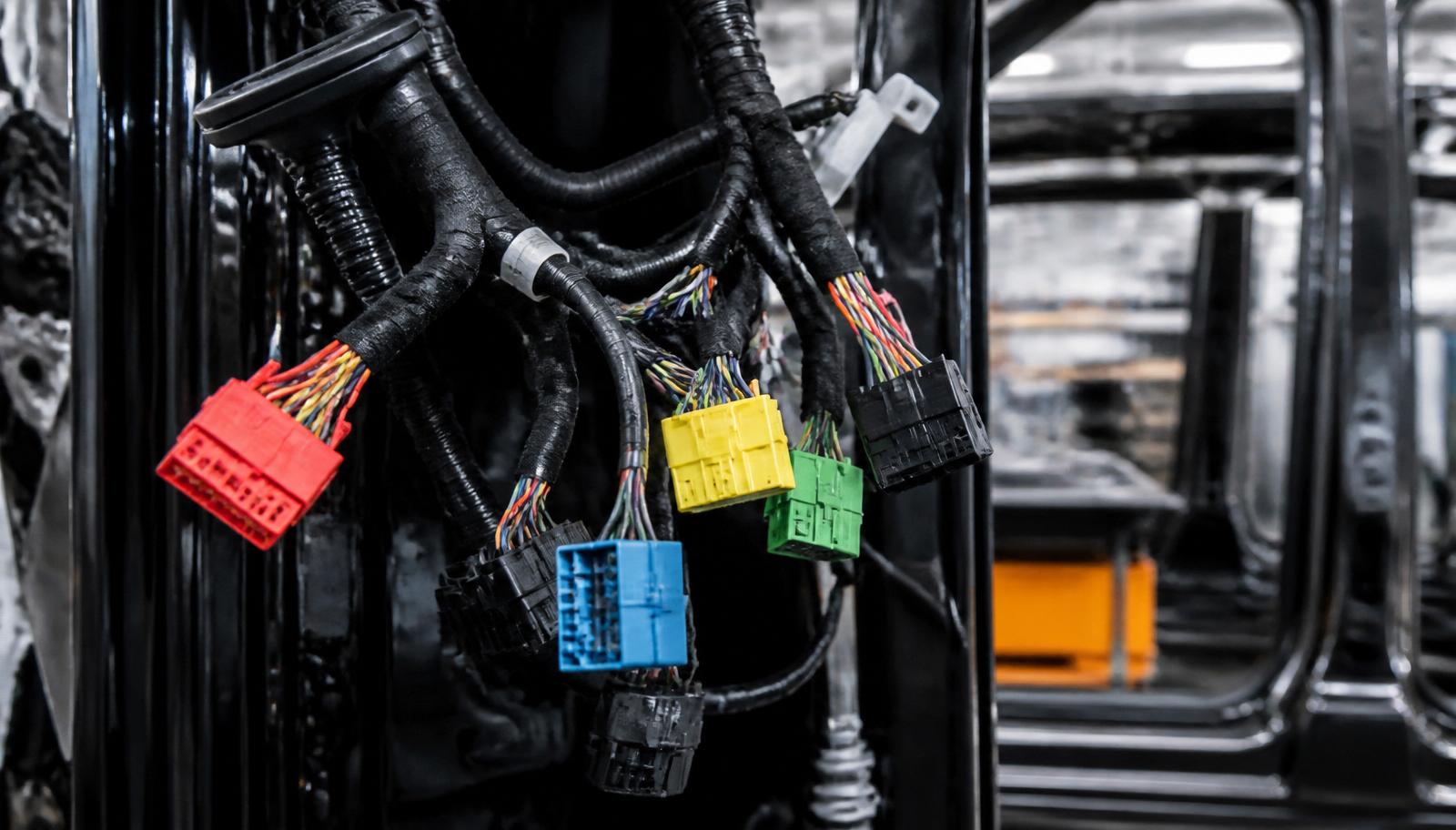
- electrical connectors identified by function or installation position,
- industrial controls using safety and warning colors,
- service and maintenance points highlighted for faster identification,
- components separated by color to reduce the risk of using the wrong variant.
Well-designed color coding can reduce errors, improve efficiency and make products more intuitive to use.
 AI-generated image
Color Supports Manufacturing
Color can be equally important during production and assembly. Manufacturers frequently use colored components to:
- distinguish different product variants,
- simplify assembly processes,
- reduce the risk of mixing visually similar parts,
- support quality inspection,
- identify components intended for different production lines,
- make selected mounting or service points easier to recognize.
This is particularly valuable in high-volume manufacturing, where even small improvements in visual identification can save time and reduce production errors.
Color coding may also make employee training easier, as operators can associate a particular component, function or assembly stage with a specific color.
 AI-generated image
Color Builds Brand Recognition
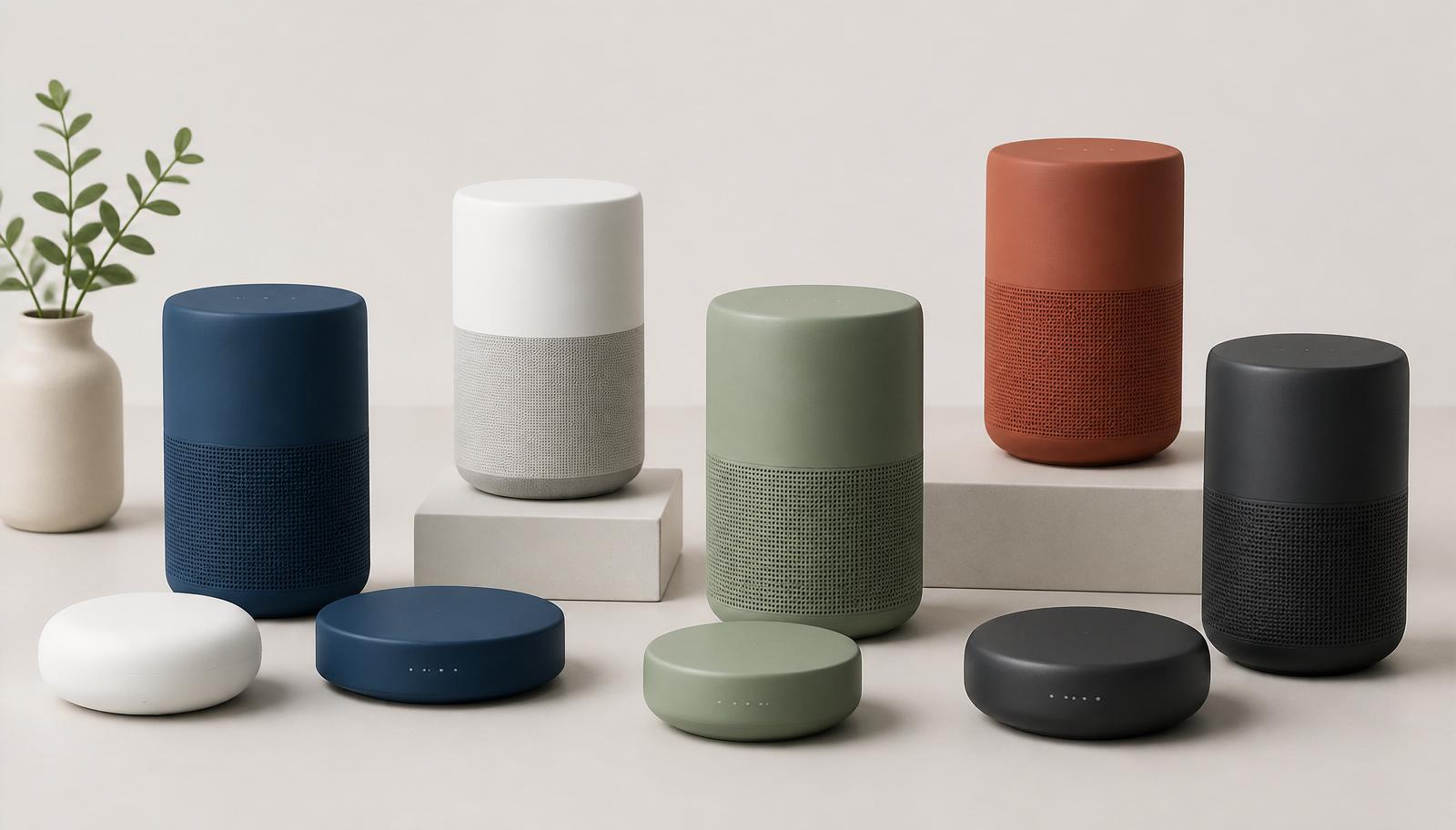
Consumers often recognize a product before they notice its logo. A consistent color palette helps create a strong visual identity and makes products easier to recognize across different models and product families.
This is particularly important in industries such as:
- consumer electronics,
- household appliances,
- power tools,
- sports equipment,
- healthcare devices,
- interior and lifestyle products.
Color can communicate whether a product is technical, premium, durable, modern, playful or environmentally focused.
The right combination of material, surface finish and color helps ensure that a product maintains a consistent appearance throughout its intended service life.
 AI-generated image
Molded-In Color vs. Painting
Many engineering thermoplastics can be produced using molded-in color. In this process, the color is incorporated directly into the material rather than applied later as paint or coating.
Depending on the application, molded-in color can offer several advantages:
- consistent color throughout the component,
- no separate painting or coating operation,
- reduced risk of paint peeling or chipping,
- potentially fewer production steps,
- improved resistance to visible scratches,
- consistent appearance across large production volumes,
- better integration between visual and technical requirements.
However, the best solution depends on the application, required surface quality, production volume, material type and environmental exposure.
Painting may still be appropriate when a highly specialized surface effect, coating functionality or small production volume is required. Molded-in color is particularly attractive when repeatability, durability and manufacturing efficiency are priorities.
SABIC's COLORXPRESS™ Services are one example of an advanced molded-in color solution for engineering thermoplastics. They support access to an extensive range of existing color options as well as custom color matching, while helping maintain material integrity and color consistency.
Choosing the Right Color Is Also an Engineering Decision
Selecting a color involves much more than choosing an attractive shade. Engineers and product designers may need to consider:
- UV resistance,
- weatherability,
- heat ageing,
- chemical exposure,
- regulatory requirements,
- surface texture,
- gloss level,
- transparency or opacity,
- interaction with fillers or reinforcements,
- visual consistency between separate components,
- color repeatability between production batches,
- long-term appearance in the intended operating environment.
Colorants and additives may interact with the base polymer and with the technical requirements of the finished component.
For this reason, the final material and color combination should always be assessed for the specific application. Appropriate testing is particularly important when a part is exposed to demanding temperatures, UV radiation, chemicals, outdoor conditions or strict regulatory requirements.
Color-Coded Technical Components
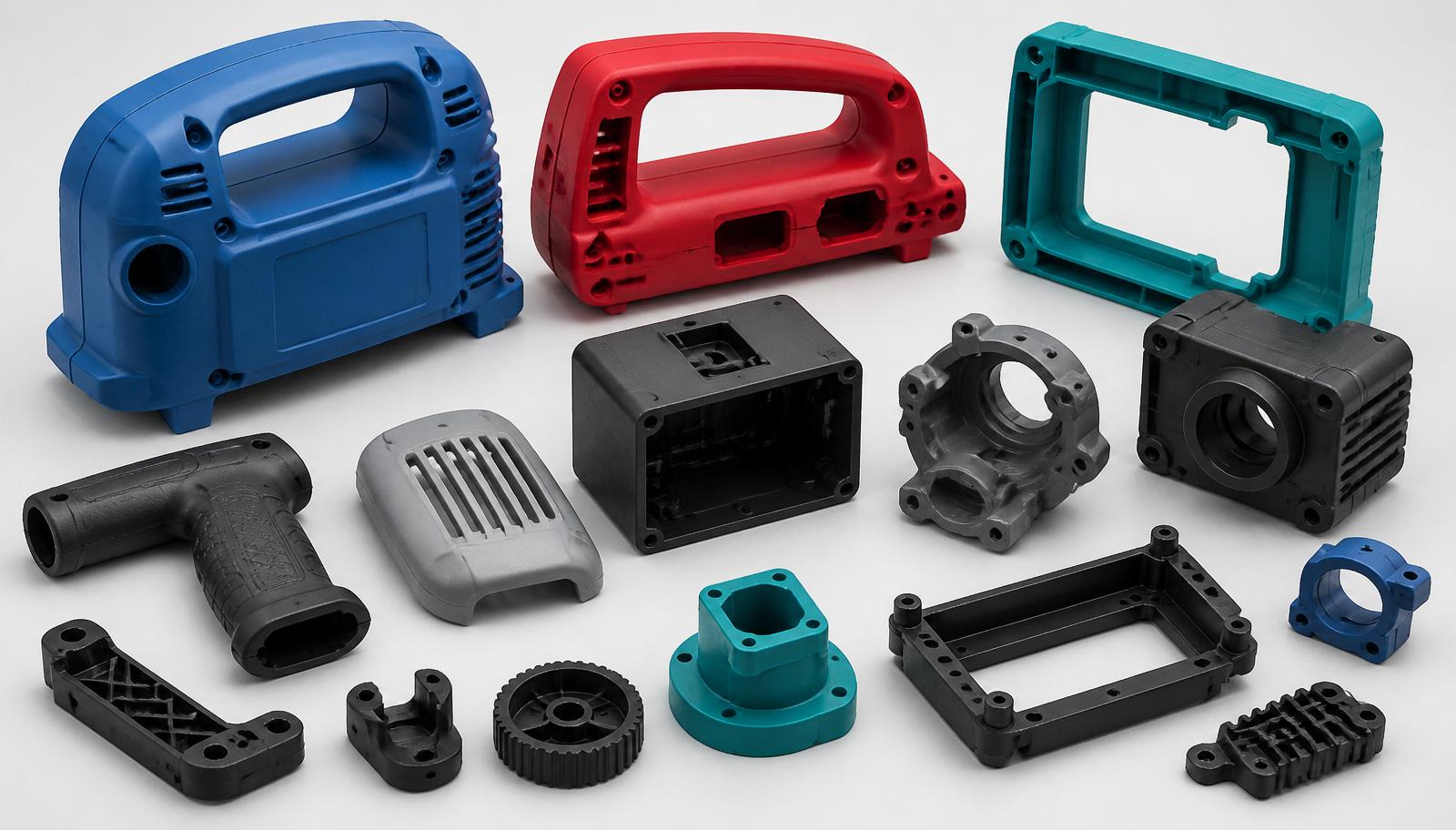
Technical plastic parts do not have to be limited to black, grey or natural shades.
Housings, frames, handles, mounting elements and functional components can be manufactured in carefully selected colors to:
- differentiate product variants,
- indicate function,
- support assembly,
- improve serviceability,
- reinforce brand identity,
- make technical products more user-friendly.
In these applications, color becomes part of the engineering logic of the component.
 AI-generated image
Engineering Thermoplastics and Color Solutions
At Danje-Polymer, we support customers in selecting engineering thermoplastics that combine required technical performance with appropriate visual characteristics.
Our portfolio includes materials for applications in:
- Automotive,
- Electrical & Electronics,
- Healthcare,
- Building & Construction,
- Consumer Products,
- Industrial Applications.
Material selection should consider the complete set of application requirements. These may include mechanical properties, heat resistance, chemical resistance, dimensional stability, processing conditions, regulatory requirements and visual appearance.
Whether a customer is developing a new product or optimizing an existing one, selecting the right material and the right color at an early stage can support manufacturability, product identification, visual consistency and the final user experience.
Looking for the Right Material and Color Solution?
Selecting the right engineering thermoplastic is only part of the development process.
The appropriate color solution can improve product identification, support manufacturing efficiency and help maintain a consistent visual identity.
The Danje-Polymer team supports customers in selecting materials suited to both the technical and visual requirements of their applications.
Looking for the Right Material?
Contact our team to discuss the technical, processing and visual requirements of your application.
Frequently asked questions
FAQ
Why is color important in engineering thermoplastics?
Color can support product identification, safety, manufacturing, quality control and brand recognition. In many applications, it performs a functional role in addition to improving appearance.
What is molded-in color?
Molded-in color means that the color is incorporated directly into the thermoplastic material before the component is molded. It can eliminate the need for a separate painting or coating process.
Does color affect plastic performance?
Colorants and additives may influence selected properties of a thermoplastic. The final material and color combination should therefore be evaluated and tested for the intended application.
Why are colored plastic parts used in automotive applications?
Color coding can help identify connectors, wiring systems, production variants and assembly positions. It may simplify installation, inspection and servicing.
Why are medical instruments color-coded?
Color coding helps healthcare professionals distinguish instruments according to type, size or application more quickly. The exact system depends on the device and its intended use.
Can engineering thermoplastics be custom color matched?
Yes. Depending on the selected material and project requirements, custom color matching may be possible. Feasibility should be confirmed for the specific polymer, application and production conditions.